Conclude your reflection with a Brief, but inspiring description on how you envision using CLINICAL DATA MINING in your practice setting
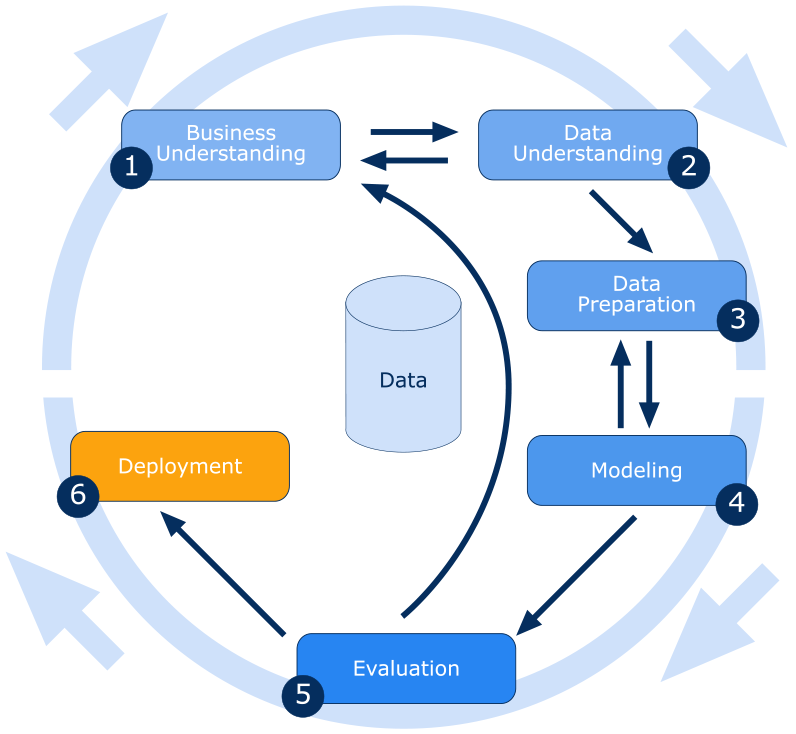
In the article "Framework for Mining and Analysis of Standardized Nursing Care Plan Data" presents a comprehensive approach to understanding and utilizing nursing care data. Khokhar and colleagues, 2018 discussed how large data sets have tailored the cycle of nursing care. Within the Urgent care setting, clinical data mining can be vial to identify patterns and trends that can inform APRNs and nursing of appropriate interventions. Utilizing data mining allows for providers and nurses to make interventions appropriate for acute conditions, barrier to health care, decision making and patient care quality (Khokhar, 2018). Data mining can also be used to provide early identification of non-compliant patients, frequent patient visits and provide an accurate transition for proactive care models. This alone will allow for better utilization of resources, patient safety and satisfaction (Khokhar, 2018).
Understand how data sets can improve patient outcomes on TedTalk here ..
Dr. Flavin Gazzani discusses below how Data Mining is currently being uses in healthcare and the impact it has
Duke University - The Fuqua School of Business. (2023, September 4). How Data is Being Used to Improve Patients’ Health Care Outcomes [Video]. YouTube. https://www.youtube.com/watch?v=2o44u2YmBZo
James Lind Institute. (2023, May 10). Data mining in healthcare [Video]. YouTube. https://www.youtube.com/watch?v=vGdWv90c9Wg
Khokhar, A., Lodhi, M. K., Yao, Y., Ansari, R., Keenan, G., & Wilkie, D. J. (2016). Framework for Mining and Analysis of Standardized Nursing Care Plan data. Western Journal of Nursing Research, 39(1), 20–41. https://doi.org/10.1177/0193945916672828
Marquez, E. (2024, June 28). What is Data Mining? And How B2B Businesses Might Leverage It. DemandScience. https://demandscience.com/resources/blog/what-is-data-mining/
Petersen, R. (2022, November 8). 6 essential steps to the data mining process. BarnRaisers, LLC. https://barnraisersllc.com/2018/10/01/data-mining-process-essential-steps/
TEDx Talks. (2018, December 5). Improving health outcomes with big data | Ronda Hughes | TEDxUofSC [Video]. YouTube. https://www.youtube.com/watch?v=uWGmAZOX6gU
Before reading the Case Study, learn more about the 5 D's of an Antibiotic Stewardship here Case Study: Interdisciplinary Approach to Managing Chronic Urinary Tract Infections (UTI's) in Primary Care Patient Background: Name: Mary Thompson Age: 68 Gender: Female Medical History: Type 2 diabetes, hypertension, recurrent urinary tract infections (UTIs) (6 episodes in the past year) Medications: Metformin, Lisinopril, Aspirin 81 mg, Nitrofurantoin (prophylactic) Presentation: Mary Jones, a 68-year-old Caucasian female, presents to the clinic with complaints of urinary urgency, burning sensation, and lower abdominal discomfort for the past three days. She reports a history of recurrent UTIs despite multiple courses of antibiotics. She follows proper hygiene, stays hydrated, and has tried cranberry supplements but continues to experience frequent infections. Clinical Findings: Vital Signs: BP 138/82 mmHg, HR 78 bpm, Temp 99.2°F, RR 16, SpO2 98% on room air Physical Exam: Mild suprap...
Reflect on electronic clinical quality measures (eCQMs) and “Meaningful Measures” as they relate to patient safety/quality and the role of the Family Nurse Practitioner. Electronic Clinical Quality Measures (eCQMs) are metrics that use data extracted from electronic health records to evaluate the quality of healthcare services provided to patients and caregivers (CMS, 2024). utilization of resources and the clinical process currently used to achieve these measures. The centers for Medicare and Medicaid services do require FNP's to report ECQM electronically, this helps to improve monitoring of healthcare quality state and nationwide (CMS, 2024) CMS launched the Meaningful Measures Initiative back in 2017, which looked to identify priority areas for improvement. The goal of this initiative was to enhance health care outcomes for patients and also their caregivers. Furthermore this initiative looked to make quality reporting easier by reducing administrative task on providers,...
Reflect on the benefits of the Electronic Health Record for Improving Safety and Quality... Have you ever seen this happen? Human Factors in Healthcare EHR systems have many benefits that has "significantly transformed healthcare, enhancing care coordination and improving patient outcomes" (Ibrahim et al., 2024, p. 2). With these benefits come mountainous challenges with quality, patient safety and confidentiality. EHRs help to improve the quality of care through carefully being designed to keep patient information integrity intact. Furthermore, CPOE has been a positive effect on patient care, "demonstrating a 85% reduction in medication prescribing error rates and a 12% reduction in ICU mortality" (Tewfik et al., 2024, p. 679) Other pros of EHR systems include: "clinical decision support systems, computerized physician order entry, effective information transfer and improved documentation, guideline adherence and reduced medication errors" Tewfik et al....


Comments
Post a Comment